

Natalie Chow founded KIBO to give the fashion industry hope and show that shoes can be smart, with zero boring bits. From sustainable materials to education, she’s turning discarded waste into impact, proving everyone can play a part, big or small.
I spent years in luxury retail, where I saw firsthand the industry’s impact on the planet and the scale of waste it generates. People were starting to care, but behind the scenes it was still a black box. In product development, I often couldn’t approve pieces due to ethical concerns, which made me question: what really happens behind the scenes, before a product reaches the shop floor? That question ultimately pushed me to do something about it – to try to make it better.
KIBO means “hope” in Japanese, a reminder of why we started. By using apple waste, leather trimmings and post-consumer plastics, we aim to give hope to the industry, showing there are alternatives to traditional production. At KIBO, we work with discarded materials to create shoes that last.

Premium leather is hard to match for softness, durability and breathability. From day one, we’ve been exploring alternatives that deliver the same quality with a smaller footprint. After extensive testing, we settled on two key materials that now form the backbone of our products: apple leather, made from juicing industry waste, and recycled leather sourced from factory floors. Every element of our shoes is considered, from rPET shoelaces and linings to algae and cork insoles and recycled rubber soles. We only work with certified suppliers and compliant factories — transparency and accountability come first.
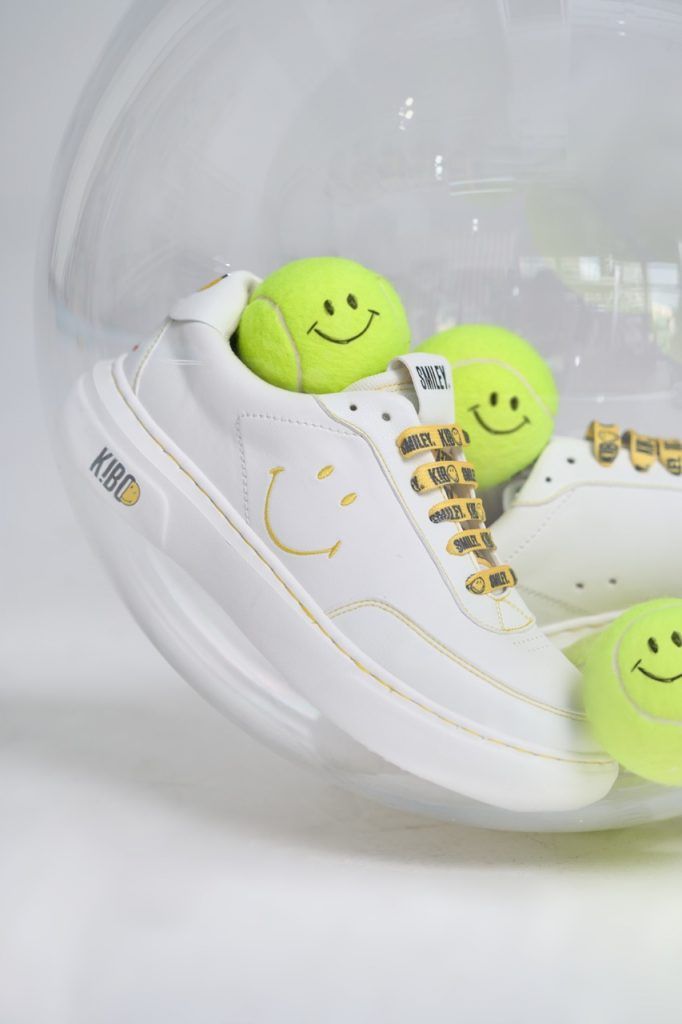
Sustainable brands often get labelled as expensive or niche. With KIBO, I want to shift that perception. Our orthopaedic arched insoles are among our bestsellers for their comfort, and we’re always finding new ways for people to connect with our shoes, through artist collaborations, brand partnerships or personalisation that gives each pair a little extra story.
Fashion is one of the world’s most polluting industries, and as brands we have a responsibility – to people and the planet. At its heart, KIBO stands for transparency. We use blockchain to trace our materials and certifications, and I believe the wider industry should embrace similar tools, such as RFID tags and digital product passports to make every product’s journey visible, from raw materials to recycling.
Education matters as much as production. We take the time to explain why we use recycled materials and often speak at schools and universities to begin that conversation. Real change doesn’t happen overnight. Start small: check your labels, ask questions, make one part of your supply chain clearer. Even small habits matter. I still carry a reusable water bottle, a simple step that’s kept hundreds of plastic bottles out of the bin.
Fast fashion has distorted how we value what we wear. Every item takes time, skill and resources to make. Sustainability doesn’t have to be expensive or dull; constraints can spark creativity and encourage new ways of thinking. And it shouldn’t be a luxury – everyone can play their part. We want our products to have an impact beyond their sourcing. Through a take-back programme, we launched a workwear line of affordable safety shoes for people across industries, from restaurants to construction sites, extending their lifespan and reducing waste.